What WhatsApp message should you send to win back a customer who hasn't returned? Use 6 templates, CTAs, A/B testing, and CRM automations.
In Mexico, WhatsApp has a 93% penetration rate among internet users, people dedicate an average of 38 minutes daily, and close to 90% of messages are read within the first three minutes, with an open rate of 98%. Therefore, the best message to win back a customer who is no longer returning is brief, personalized, and contains a single clear benefit, and it must change based on the reason for inactivity and customer value.
Is it really worth sending a pretty phrase, or is it better to send the right phrase at the right time? On WhatsApp, the difference isn't about sounding creative, but about coming in with a proposal that the customer understands instantly, because the channel rewards speed, clarity, and immediate follow-up. The foundation is not "writing more," but deciding what to say, to whom, when, and with what concrete action. A well-crafted reactivation message uses the customer's history, mentions a useful detail, and closes with a single expected response.
In brick-and-mortar businesses in Mexico and LATAM, this logic works best when the CRM segments by recency, frequency, monetary value, and probable reason. With Swirvle, this approach becomes operational because it centralizes segments, rewards, campaigns, and sales attribution, so coffee shops, restaurants, barbershops, and salons can send the right template without improvising or spamming. The criteria change depending on the case, but the rule does not: a single goal per message, a single offer, and a single next action. For a practical approach to WhatsApp automation, it is also helpful to review how an omnichannel CRM connects chat and in-store sales, especially because of the fast and contextual response logic.
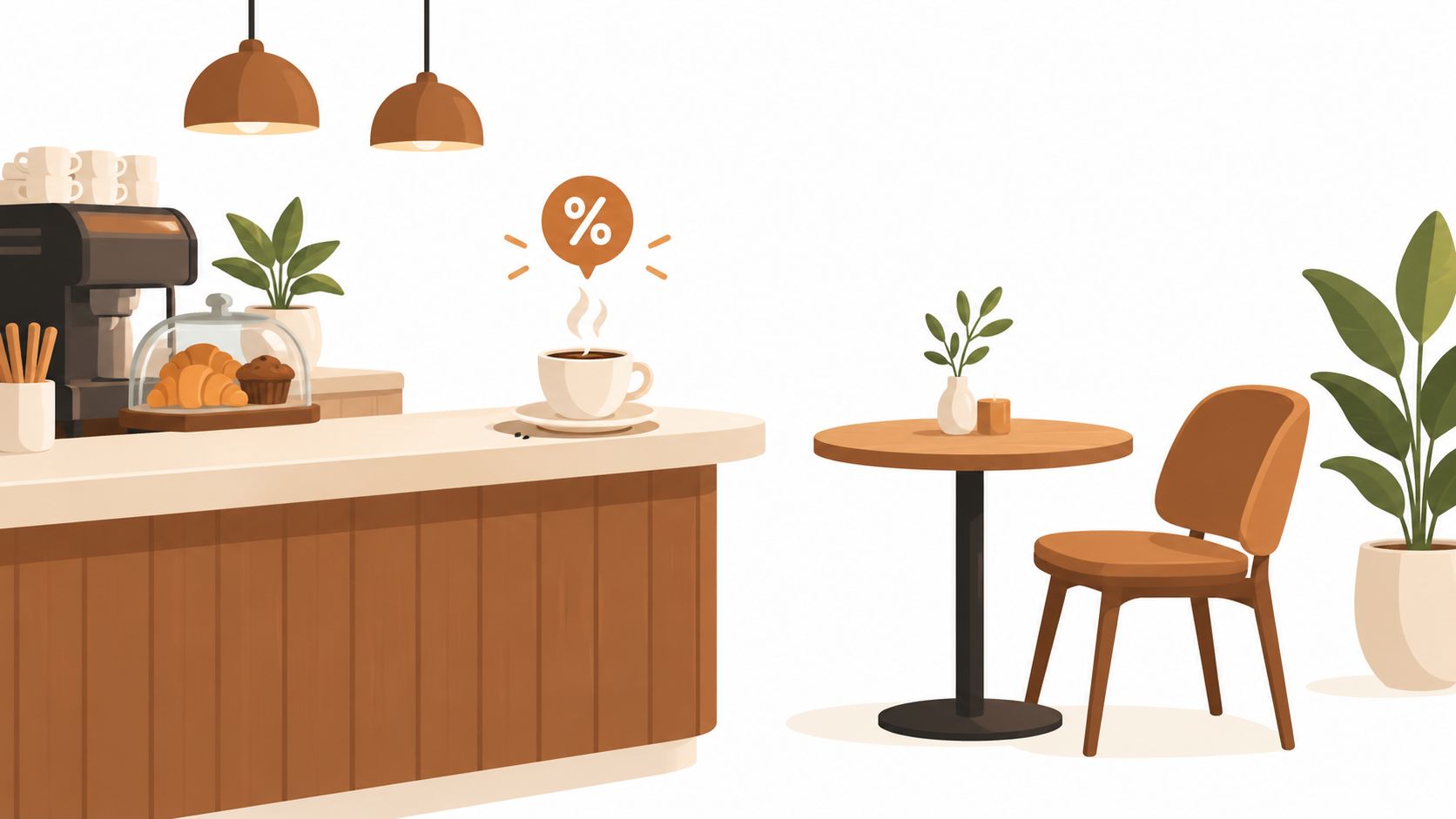
1. Reconnection Message with Exclusive Discount in Coffee Shops
What can convince an inactive customer to return to a coffee shop? If they stopped visiting 30 to 60 days ago, it is best to start with a BLUF message: the first line presents the benefit and the rest provides the context. An exclusive discount with a deadline can outperform a lengthy explanation, especially if the history shows what their usual drink was.
Rule of thumb: the discount must be perceived as recognition for returning, not as a desperate markdown.
A useful template would be: “Hi, [Name], your favorite espresso is waiting for you, 20% OFF this week if you come back for your coffee.” The message anticipates the most likely objection, “why should I go back now?”, and answers with a concrete proposal. It also applies the BLUF principle, which places the conclusion at the beginning, as explained in these guides on BLUF in executive messaging and how to apply BLUF in win-back messages.
Personalization should be based on a verifiable signal, such as the most frequently purchased drink or the usual branch. Swirvle can pull those details from the history and trigger the send from an inactive customer segment. To define the audience, it is best to consult the guide to mass messaging on WhatsApp and separate recency, frequency, value, and location.
How to measure if the discount actually drove the visit
The A/B test should compare discount against points, keeping the segment, sending time, and requested action the same. A unique code per customer allows you to distinguish between opens, replies, redemptions, and attributed sales. If they reply but do not visit, the offer sparked interest, though perhaps the date, location, or redemption process is introducing friction. If they visit but do not redeem the incentive, the problem may lie in checkout execution or the clarity of the terms.
Name, drink, and clear expiration convert a generic promotion into a relevant invitation.
The send can be tested between Tuesday and Thursday, during high-attention windows, with a short validity period that justifies acting without creating artificial pressure. In Swirvle, the flow can assign the code, log the response, send a reminder only to those who haven't used it, and connect the redemption to the sale. For businesses with multiple locations, including the branch reduces confusion and prevents the customer from perceiving it as a mass campaign.
2. Nostalgia Message with New Benefit in Restaurants
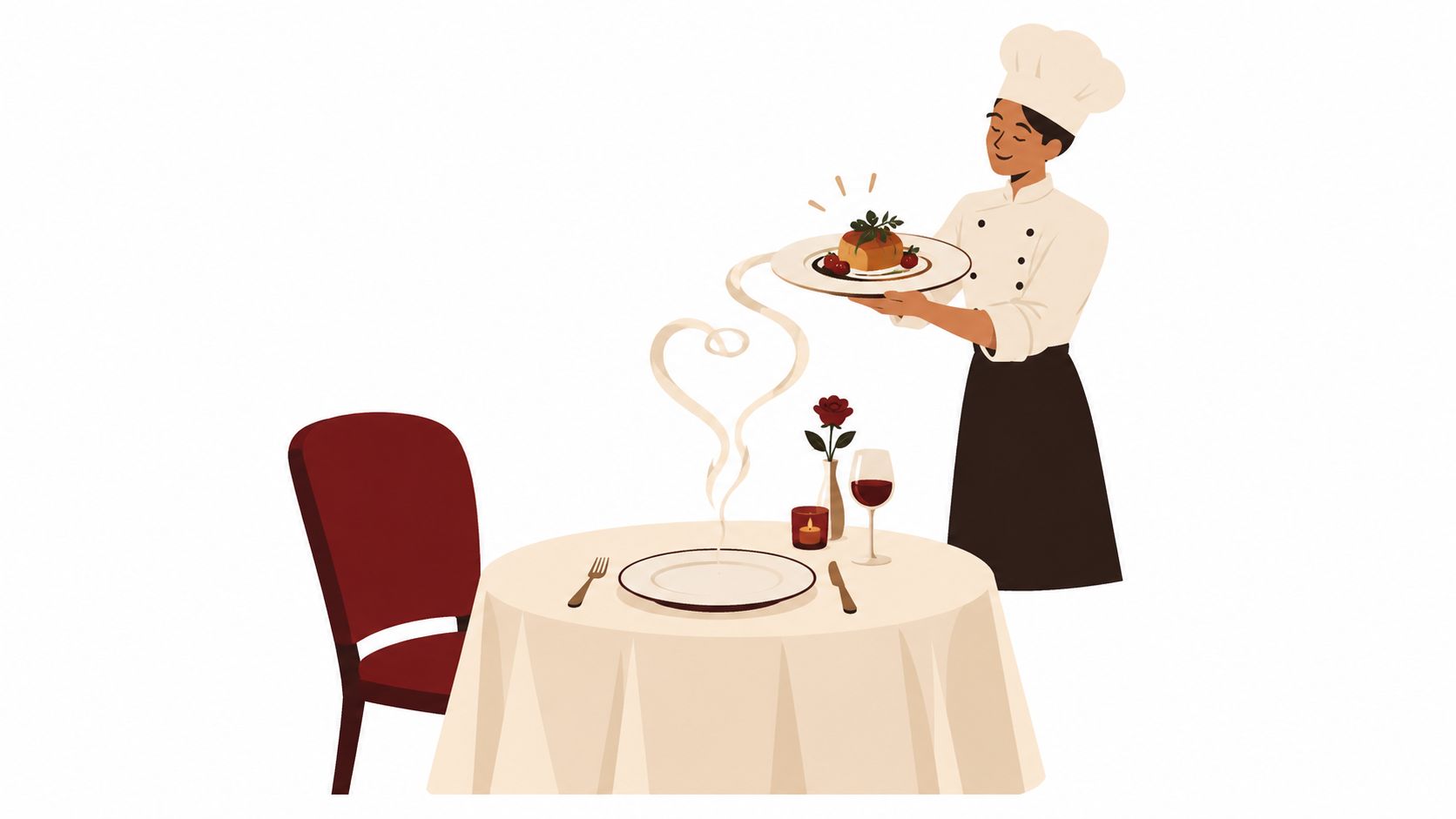
In restaurants, nostalgia works when it is not used as manipulation, but as a reminder of a positive experience. A customer who stopped going after 60 to 90 days usually responds better to a mix of memory and novelty, because they recognize the place and, at the same time, perceive a different reason to return. The key lies in mentioning a previous experience without invading, for example, their signature dish or a specific visit that already left a mark.
A solid message can open with something like, “We miss your Friday nights, and we have a new menu that is worth trying this week.” That structure combines closeness and a new proposal, and fits with the finding that WhatsApp is useful throughout the entire customer lifecycle and works best with brief, contextualized, and ready-to-trigger messages, as outlined in this BCG and Meta business messaging synthesis. For restaurants, that means less fluff and more context: what they tried, when they last returned, and what has changed since then.
What to compare in the A/B test
The most useful test contrasts an emotional invitation with a financial benefit. One version can recall the last positive experience, while the other offers access to a new menu or promotion, and both should measure replies and bookings, not just clicks. If the restaurant has available capacity, the message should go out when it can actually host the customer, because reactivating without an open table destroys the opportunity created by the message.
Emotional base: recalling their favorite dish or last visit.
Functional base: announcing a new menu or a direct booking via WhatsApp Business.
Correct segment: customers with two or more previous visits, because here quality matters more than volume.
Supporting visual: a photo of the new dish can help, as long as it does not replace the BLUF text.
Personalization with Swirvle data allows you to identify the most frequent dish and previous frequency, which makes the offer more credible. If the customer replies, booking should be one step away, not three messages deep. In restaurants, the friction between interest and confirmation is where most conversions are lost.
3. Referral Message with Dual Reward in Barbershops
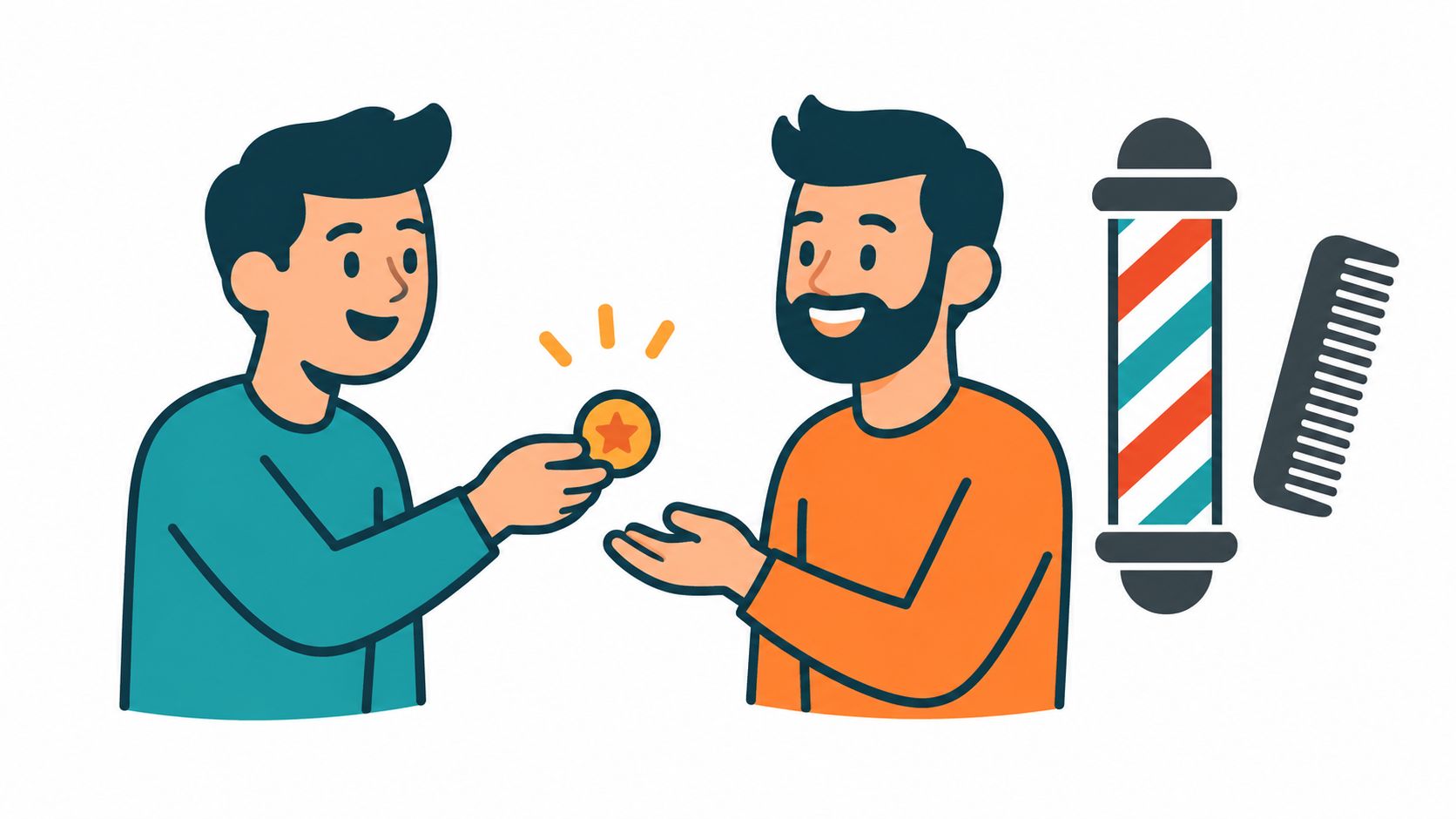
Can an inactive customer become the gateway to recovering their visit and bringing in someone else? In a barbershop, the dual reward targets both actions: the customer receives a benefit for referring and their friend gets a concrete reason to try the service. It works best with customers who have already recommended the business, have an active social network, or left satisfied with their last haircut.
A BLUF template can say: “Bring a friend and get your next haircut free. They get a benefit on their first visit. Reply 'YES' and I’ll send you your link.” The message explains who wins, what they need to do, and what the next step is. CTA clarity can leverage principles of executive communication and a clear close, though the offer must be evaluated by bookings and new customers, not isolated replies.
Useful criteria: if the customer already knows the service, reduce the explanation and eliminate steps. The reward must be understood before the person decides to share it.
The dual incentive can also address different objections. The inactive customer might not need another discount, but rather a social reason to return. Their referral, on the other hand, might doubt the quality, price, or experience. A phrase like “Your friend tries the barbershop with a benefit and you accumulate a reward after their first visit” clarifies the exchange without promising a free haircut before a conversion actually occurs.
To choose the segment, the business can review previous visits, last service date, and promotion usage. Understanding how word-of-mouth works in local businesses helps connect the recommendation to a measurable flow. A CRM can track individual links and separate returns, referrals, and point accumulation, making it possible to measure whether the incentive generates new customers or just gives away services.
When to send and what to test
Send the campaign when there is actual availability on the schedule. The A/B test can compare the dual reward against an exclusive benefit for returning. Measure deliveries, replies, shared links, referral bookings, first visit, and margin per acquired customer.
Clear incentive: specify what each person receives.
Short validity: 30 days can limit procrastination without hiding the terms.
Single CTA: ask to reply via WhatsApp or open the link, not both actions.
Automatic follow-up: track who shared, who booked, and if they completed the visit.
4. Diagnosis Message with Personalized Offer in Beauty Salons
In beauty salons, inactivity is rarely neutral. Many times the customer stopped returning because something changed in their needs, routine, or the results they expected, so a diagnostic question can be a better opener than a direct sales pitch. The message should sound helpful, not invasive, and use the last purchase as a clue to offer the right solution.
“Does your hair need nourishment?” is a useful opener because it doesn't push a random service, but connects a likely need with a concrete offer. If the history shows a previous service of color, hydration, or keratin, the recommendation can be better targeted, making the conversation more relevant. Instead of asking for a visit without context, the salon offers a solution that feels tailored to that person.
How to convert the response into a personalized path
The logic works best if the CRM groups by last service and date, because that helps infer the likely need and cross-sell opportunities. If the customer replies that their hair is dry, the sequence can lead them to a free consultation, a cross-offer, or an appointment with a specific stylist. If the response is lukewarm, a before-and-after photo can reduce visual doubt and boost confidence.
Personalization in beauty doesn't have to sound technical, it just has to prove that the business understood the right problem.
Swirvle allows you to use those service modification details to trigger a different offer based on history, rather than a generic template. An assigned stylist also helps the recovery feel like a continuation of the service, not a cold campaign. This detail carries a lot of weight in beauty, as trust in the person treating you matters almost as much as the treatment itself.
What to test in this category
The clearest A/B test compares a need-based question against a direct recommendation. If the question opens more conversation, the business gains diagnostic insights. If the direct recommendation converts faster, the campaign can go to customers with a clearer history.
Segmentation by last service: identify if the customer needs nourishment, maintenance, or a complementary service.
Cross-offer: not everyone responds to the same solution.
Free evaluation: lowers the barrier if the customer is hesitant.
Visual proof: before-and-after helps when the decision is aesthetic.
5. Urgency Message with Exclusive Invitation in Restaurants and Events
For a themed dinner with 20 available tables, an exclusive invitation message sent 5 days in advance with real remaining spots generates more bookings than an open discount sent to the entire database. This format is ideal for inactive customers who have already attended special experiences or who usually book in advance. The likely objection will be the time, theme, or perceived price, so the message must resolve a concrete doubt and facilitate confirmation.
A BLUF message can say: “We have a themed dinner this Friday, with limited open spots, and we’d love to hold a table for you.” The invitation communicates preferred access, context, and a simple CTA. If the customer asks about the menu, price, or time, that response also helps identify what is holding back the booking.
How to use scarcity without being pushy
Scarcity must be verifiable. If there are 15 spots, those 15 spots must exist. The send can be done 5 to 7 days in advance, when there is still time to decide and the restaurant can adjust occupancy. For high-value events, it is best to start with customers who have a higher visit frequency, as their likelihood of attendance may be higher than contacts with no recent history.
Healthy practice: a VIP event should reserve real capacity, not manufacture urgency.
Value segmentation allows prioritizing customers with higher visit frequency, which raises the probability of event attendance. The flow in a CRM like Swirvle can assign a tag to those who received the invitation, another to those who confirmed, and another to those who didn't reply. Then, the restaurant can send a reminder only to the undecided, without repeating the message to those who already booked. To expand the analysis, it is worth reviewing these documented strategies to win back customers.
What to compare before sending more
The A/B test can compare “VIP event” against “open promotion,” keeping the timing and CTA identical. The first version measures bookings among higher-value customers; the second shows if the discount attracts additional volume. Track deliveries, replies, confirmations, attendance, and return. Many clicks without attendance indicate post-click friction, such as the schedule, theme, or proposal.
6. Reactivation Message with Survey across All Categories
When the reason for churn is unclear, it is better to ask before offering. A reactivation message with a short survey turns WhatsApp into a source of information and shows that the business listens. It can be applied in coffee shops, restaurants, barbershops, and salons, because the barrier is usually related to price, schedule, or experience, and each cause requires a different response.
The question “What made you stop coming back?” works best if it is formulated clearly and without judgment. Afterwards, the business can deliver a small reward for responding and guide the customer toward a concrete solution. The goal is to recover a visit, but also to identify what prevented the previous one.
How to structure the sequence
The sequence can start with a simple offer. If there is no reply, it continues with the survey. It is best to limit it to three options to reduce effort and assign a different action to each response. Points or a discount can incentivize participation, provided the business margin supports the benefit.
The message shouldn't ask the customer to do free labor for the business; it should make it easy for them to reply.
Conditional flows in a CRM can guide each response to a different offer: price leads to a promotion, hours lead to a new time slot, experience leads to personalized recovery. In a physical business, this classification prevents sending the same incentive to everyone and allows adapting the next contact to the stated reason.
“This diagnostic survey approach converts churn into actionable data because each response triggers a specific recovery path, not a generic offer.”
The A/B test can compare an open question against closed options, keeping the incentive, sending time, and CTA identical. The first version can reveal unforeseen reasons; the second facilitates automatic classification. Track replies, returns, redemptions, incremental sales, and ROI to evaluate both the engagement and the business outcome.
If replies increase but returns do not, the offer did not resolve the barrier or the CTA asks for too much. If there is a return but the ticket drops, the incentive might be attracting less valuable visits. Tagging each response in Swirvle allows separating those cases and triggering a reminder, a new time slot, or personalized attention based on the assigned path.
Comparison: 6 WhatsApp Messages to Win Back Customers
Template | Implementation Complexity | Required Resources | Expected Results | Ideal Use Cases | Key Advantages |
|---|---|---|---|---|---|
Reconnection Message with Exclusive Discount (Coffee Shops) | Low, BLUF template and unique coupon | Last purchase data, inventory, coupon system, WhatsApp Business | High open rate and immediate sales (e.g., 28–35% reactivation) | Coffee shops with inactive customers (30–60 days) | Quick ROI, easy personalization, low cost |
Nostalgia Message + New Benefit (Restaurants) | Medium, requires kitchen coordination and emotional copy | Order history, new menu/chef, photos, reservations | Good return (38–45%), justifies premium prices | Restaurants looking to win back customers inactive for 60–90 days | Emotional connection + tangible offer, competitive edge |
Referral Message + Dual Reward (Barbershops) | Medium-high, attribution rules and unique links | Referral platform, point tracking, unique codes | Simultaneous return and acquisition (32–42% return + new customers) | Barbershops with active social base and recurring customers | Lower CAC, builds community and loyalty |
Diagnostic Message + Personalized Offer (Beauty Salons) | Medium-high, fine segmentation and stylist coordination | Detailed service data, specialist assignment, before/after | High conversion (40–45%), increase in average ticket | Salons with customers requiring specific solutions | Personalization that reduces objections and encourages cross-selling |
Urgency Message + Exclusive Invitation (Restaurants/Events) | High, event planning and capacity control | Event organization, VIP list, confirmations, logistics | Very high response (45–52%), higher spend per customer | Fine dining restaurants and themed events with limited spots | Generates FOMO, memorable experiences, and better forecasting |
Win-Back Message + Survey (All Categories) | Medium, requires conditional flows and automation | Survey setup, response automation, offers per response | Moderate opens (38–43%), insights on churn, variable return | Businesses looking to understand reasons for churn and automate recovery | Actionable data, relevant offers per objection, highly automatable |
Turn Every Response into a Second Visit
The operational decision is simpler than it seems. First, segment by recency, frequency, value, and probable reason. Then, choose a single proposal, personalize with permitted data, test one variable at a time, and measure what really matters: response, return, redemption, ticket, and ROI. In reactivation, the most expensive mistake is not bad copywriting, but mixing too many ideas into a single message.
The type of template also changes based on the reason. An exclusive discount works best when a clear, quick incentive is needed, especially in coffee shops with frequent visits. Novelty works when the customer left due to routine or fatigue, especially in restaurants. A referral with a dual reward makes more sense in barbershops with active networks. Diagnosis fits perfectly in salons, turning a doubt into a useful conversation. Exclusivity helps when there are events or experiences with real limits on spots. A survey is the most valuable option when the business still doesn't know why recurrence dropped.
Automation in Swirvle allows those segments, codes, conditional flows, and attribution dashboards to live in the same system. This reduces operational friction and prevents the team from sending generic messages or repeating contacts without control. The correct logic is not to push harder, but to reply better, with timing, context, and an offer that makes sense for that customer at that moment. For physical businesses in Mexico and LATAM, this is the most robust path to turning inactivity into a measurable second visit.
Swirvle centralizes segments, WhatsApp campaigns, rewards, and attribution so that reactivation doesn't rely on loose messages or manual lists. If a physical business wants to send the right message, measure what it wins back, and automate follow-ups, they can check out Swirvle and adapt their flows to coffee shops, restaurants, barbershops, or salons with real customer data.
Related Blogs

Nov 22, 2026
How to identify frequent customers in a physical store?

Nov 21, 2026
How to Connect Your POS System with Restaurant Email Marketing: A Guide

Nov 20, 2026
How much does a small restaurant make per month in Mexico?

Nov 19, 2026
How to Run a Small Coffee Shop Step by Step? 2026

Nov 18, 2026
How can you check out customers faster in a coffee shop during peak hours?

Nov 17, 2026
How to create a loyalty program for a clothing store or boutique?