
Learn how to host a private coffee tasting with clear steps for coffee shops. From bean selection to post-event loyalty.
A busy coffee shop on a Saturday morning, but few people remember what they drank. The restaurant offers a decent coffee after the meal, though no one asks about its origin. In a barbershop or a beauty salon, coffee accompanies the wait, but it does not become a reason to return. That is where the opportunity lies: a private tasting can transform an everyday drink into an experience that generates conversation, useful data, and new purchases.
How to organize a private coffee tasting is not just about getting appealing beans and serving them on a table. Profitability depends on connecting three moments: a well-guided sensory experience, a coherent commercial offer, and automated follow-up that converts interest into recurring visits. In Mexico, coffee already has broad demand. USDA/FAS projected for the 2025/26 cycle a domestic consumption of 3.1 million 60-kg bags and an average per capita consumption of between 1.3 and 1.7 kg per year; additionally, instant coffee concentrates around 60% of the market (USDA/FAS on the Mexican coffee market). The session, therefore, should not create a need from scratch. It must help the customer discover value within a habit they already know.
Differences between a casual tasting and a professional cupping
A casual tasting aims to please. A professional cupping aims for each participant to be able to compare, describe, and decide. The former can work with a carafe, some cups, and a spontaneous conversation. The latter requires a sequence, comparable samples, and a host who prevents personal preference from being confused with a technical evaluation.
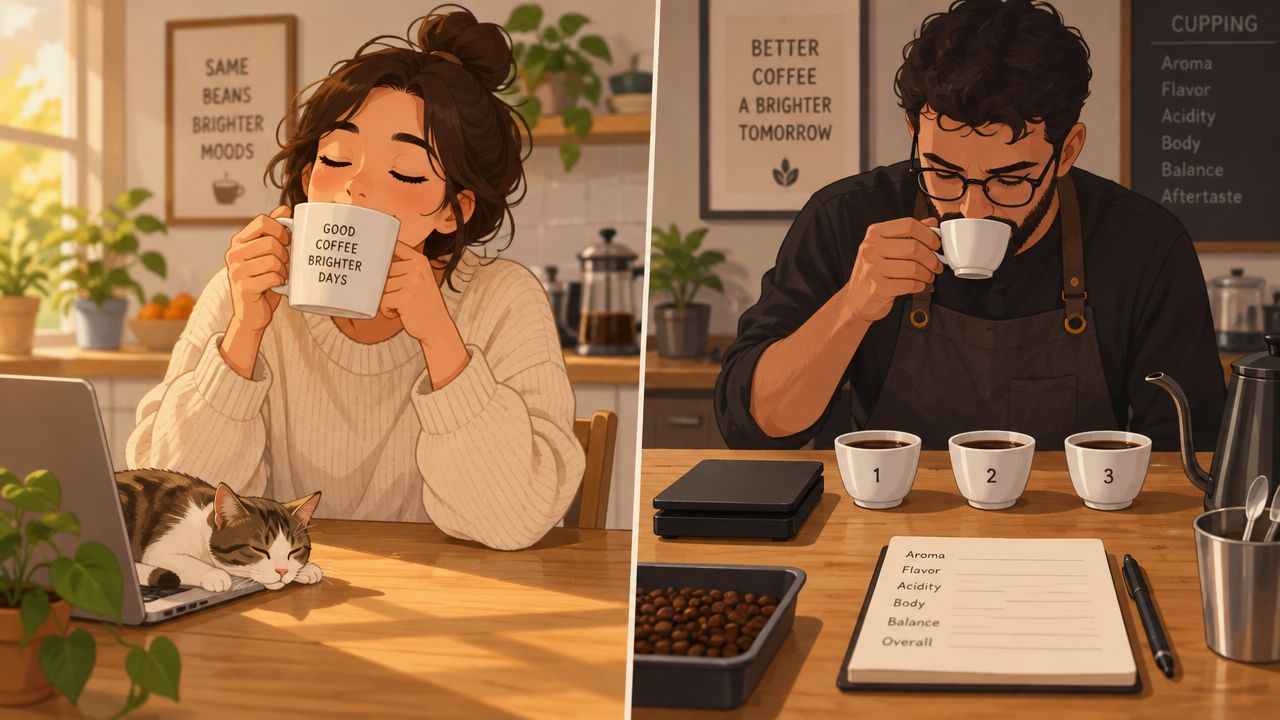
In a coffee shop, for example, an open session can present the house coffee as part of a promotion. The barista talks, serves, and charges. In a private tasting for frequent customers, the approach changes: you can present the same coffee alongside another sample, ask what differences they perceive, and end with a purchase recommendation or an invitation to return. The attendee stops being a spectator and participates in a decision.
A restaurant can apply the same logic in a different way. Instead of offering coffee at the end of the menu without context, it can organize an experience to present a new after-dinner offering. A barbershop can use the tasting to enrich the wait and generate a shared visit occasion. A beauty salon can organize it for female clients who value self-care experiences, without turning the space into an extensive class.
Context modifies perception
The environment, the company, and the prior introduction influence the guest's attention. A room with kitchen smells, loud music, or constant traffic makes it difficult to recognize subtle differences. A brief explanation of the origin, process, and purpose of the comparison prepares the group to observe better, without imposing an answer on them.
The private experience also allows adapting the language. A consumer accustomed to instant coffee does not need an academic explanation about extraction. They need to identify what changes when they try roasted and ground coffee, how to recognize sweetness or acidity, and on what occasion they might prefer each style. That conversation makes visible a value that is normally hidden in daily consumption.
Rule of thumb: a private tasting must end with a clear decision, for example, which coffee to buy, which method to repeat, or which experience to book next.
The business is creating an experiential product, not just selling tickets. The price, setting, story, and subsequent proposal must uphold the same promise. If the event feels improvised, the customer will remember a pleasant gathering. If every detail leads to a choice, they will remember a brand capable of guiding them.
Coffee selection and sensory profile design
Selection does not start with the bean, but with the decision you want to provoke. If the guest leaves with a clear idea of what to buy, what to repeat, or what experience to book next, the tasting has already fulfilled its commercial and sensory function. When that intention is not defined, the samples become a succession of cups without a story.
Three paths to choosing samples
The first path compares geographical origin. In Mexico, USDA/FAS reported for 2025/26 a projected harvested area of 663,070 hectares and a national average yield of 5.89 GBE bags per hectare (USDA/FAS on coffee production and supply in Mexico). In a private session, that base allows building a journey through specific producing regions. Data cited by specialized press referring to SADER indicate that Chiapas contributes 41% of the national volume, Veracruz 24%, and Puebla 15% (Milenio on Mexican coffee production). The comparison should aim at aroma, acidity, body, and persistence, not at declaring a winning origin.
The second path is organized by processing method. A washed, a natural, and a honey coffee show how processing changes the drink in the cup. This option works well when the public already drinks specialty coffee and needs to understand why two beans from the same region can yield such different results.
The third path presents roast profiles. A light to light-medium roast best preserves the differences between samples, while a more developed roast helps explain why certain coffees turn out more intense or more familiar. The choice must respond to the level of the group and the product the business wants to sell afterward.

An evaluation in four blocks
The modern coffee value assessment methodology adopted by the SCA separates the session into four blocks: physical, descriptive, affective, and traceability. The physical evaluation records the appearance of the sample and its preparation. The descriptive collects what appears in fragrance, aroma, flavor, acidity, sweetness, and body. The affective responds to another question, whether the cup is liked and for what occasion it would work. Traceability connects the experience with the producer, region, process, and roast.
To keep the results comparable, it is convenient to use light to light-medium roast coffee, grind it shortly before serving, and work with clean water between 92°C and 96°C. The protocol indicated by the SCA recommends 8.25 g per 150 mL, a ratio close to 1:18, and cups of 207 to 266 mL with a wide mouth of 76 to 89 mm (coffee cupping and evaluation methodology). If you change the grind size, the time between grinding and brewing, or the temperature, the release of volatile compounds changes and the comparison loses precision.
Essential materials and space setup
The quality of a tasting is decided before grinding the first coffee. Choose a quiet, well-lit space free of external odors. Intense perfumes, cleaning products, hot food, or smoke can modify perception and cause the group to attribute a note to the coffee that comes from the environment.
Nestle Professional Mexico recommends having 3 to 5 cupping cups per sample, cupping spoons, spittoons, filtered water between 92°C and 96°C, an adjustable grinder, and the SCA evaluation form (professional coffee cupping guide). The setup works in a meeting room, a coffee shop counter, or a cleared area of a restaurant. Prioritize service control over decoration.
Checklist of materials for private tasting
Material | Suggested quantity | Main function |
|---|---|---|
Cupping cups | 3 to 5 per sample | Keep samples separate and comparable |
Cupping spoons | One per participant | Facilitate slurping and distribution of the beverage |
Adjustable grinder | One | Control the grind of all samples |
Filtered water | Sufficient for the whole session | Avoid flavors foreign to the coffee |
Spittoons | One per participant or per pair | Allow evaluation without saturating the palate |
Evaluation forms | One per participant | Record physical, descriptive, and affective observations |
Thermometer or temperature control | One | Verify water before brewing |
Napkins and clean cloths | Sufficient | Handle spills and keep the table tidy |
The table should allow everyone to observe the samples and listen to the host without turning around. Use neutral codes on the labels, because the name of the origin or the process can bias the evaluation. Place the water for cleaning spoons and the discard container within reach, but out of the visual center.
Also record operational data, such as attendance, noted preferences, and willingness to receive information. That information connects the sensory experience with profitability: afterward, you can segment contacts in the CRM and automate follow-up according to the coffee or format they were interested in. If the event includes food, define the accompaniment menu, portions, and service time in advance so that the coffee break does not compete with the sensory evaluation or lead to improvisation at the table.
The preparation can be served between 10 and 45 minutes after brewing the sample, according to Mexican technical guides. Start slurping when the beverage has cooled to a more comfortable temperature to perceive acidity, sweetness, and body. The timing must be defined in the setup so that all samples are compared under similar conditions.
Host script for leading the session
The host sets the pace without dominating the entire conversation. Present the objective, order the moments of attention, and leave pauses so that each participant forms their own judgment. The script should alternate brief instructions, silent observation, and questions that connect the cup with a concrete decision.
The sequence that keeps the rhythm
Open with three instructions: which coffees will be tasted, how impressions will be recorded, and why describing a cup is not equivalent to simply saying if you like it. Then, present the origin, the producer, or the region with facts that help interpret the sample. Explain why each coffee was chosen, which process will be compared, and what feature should be observed.
The sensory phase can follow this order:
Physical observation: show the beans or the ground sample and ask to record what is visible.
Fragrance: each person smells the dry coffee and notes their first association, without looking for a correct answer.
Aroma: add water and smell again when the beverage releases its aromas.
Breaking and cleaning: remove or push aside the surface crust so that the group perceives the cup more clearly.
Slurping: take a small amount and distribute it across the mouth to identify acidity, sweetness, and body.
Comparison: contrast the samples with specific questions, instead of asking for general opinions.
The sample can be served between 10 and 45 minutes after brewing the sample, according to the consulted technical guide. Slurping should begin when the beverage is comfortable for the palate. Indicate that perceptions will change as it cools. That evolution is part of the evaluation if all samples receive the same treatment and are tasted under comparable conditions.
Questions that spark conversation
Replace “did you like it?” with observable questions: “what changed between the first and second sample?” or “at what point did the sweetness appear?”. If someone mentions an unexpected note, ask them to describe it and explain when they perceived it. Correcting vocabulary turns the tasting into an exam and reduces participation.
Also ask what use each coffee would have. One sample might work better with milk, another to be drunk black, and another alongside a dessert. Thus, the conversation retains technical precision and ends in a commercial decision.
Record preferences and permission to receive information while the experience is still fresh. Afterwards, segment those contacts in the CRM according to the coffee, format, or use they were interested in. An automated email can recommend a related purchase or invite them to an upcoming session. The tasting generates sensory value, and the follow-up converts that interest into a recurring relationship.
Pricing strategies and event monetization
A sustainable private tasting needs a commercial model before being announced. The price must cover coffee, staff, preparation, space, materials, and follow-up time, but it must also communicate what the attendee receives. A low ticket price without a subsequent offer can fill the room but leave little value for the business.
Choosing the right model
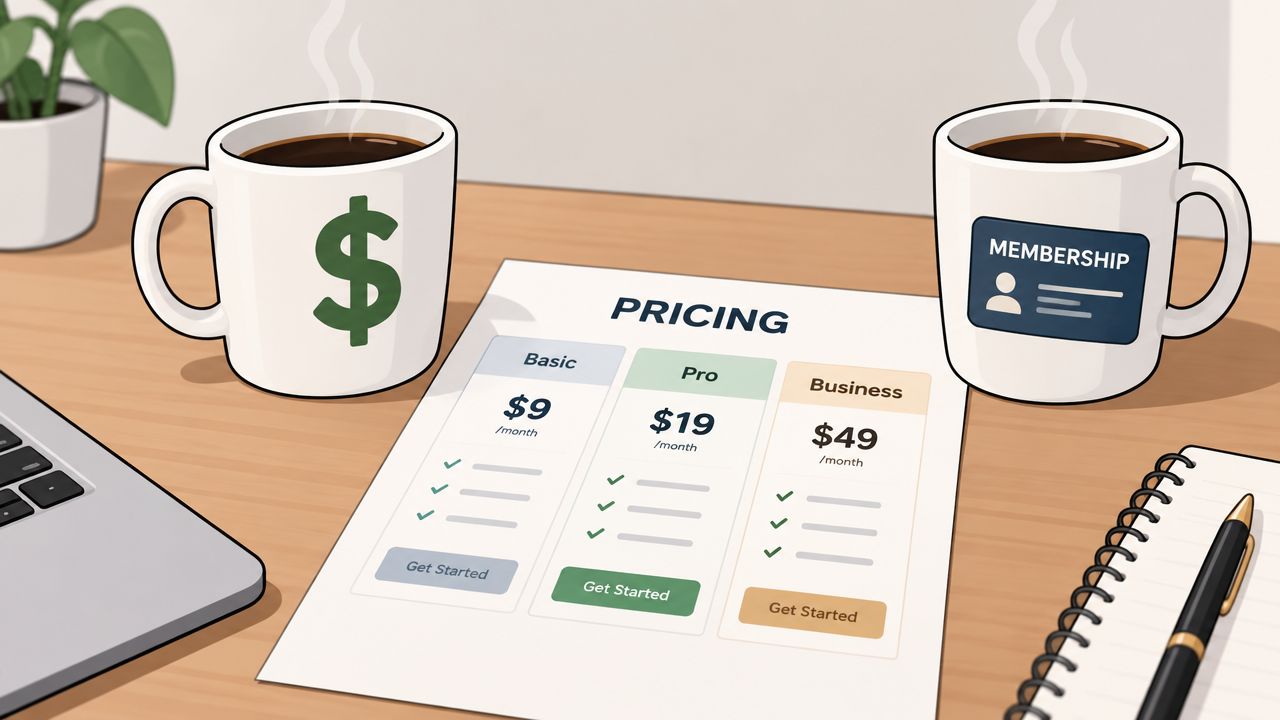
A coffee shop can charge a flat fee and include a bag of coffee, a subsequent drink, or a benefit for a future visit. A restaurant can sell the tasting as a complementary experience to a menu. A barbershop or beauty salon can organize it as a reward for recurring customers, with reserved access and a subsequent consumption offer.
Membership works when there is a clear reason to return. It can include periodic sessions, access to rotating coffees, or rewards for inviting another person. It is not advisable to promise constant novelties if the business cannot sustain the selection, staff, and communication.
Financial criterion: the ticket should open the commercial relationship, not close the relationship with a single transaction.
Upselling has to feel useful. After tasting the samples, the host can recommend a bag based on the customer's usual brewing method, offer an individual session to adjust preparation, or present merchandise related to the coffee ritual. The restaurant can convert the detected preference into an after-dinner recommendation. The barbershop can combine the experience with a scheduled visit.
To calculate the final price, the business must separate variable costs from fixed costs and assign a value to the team's time. The methodology of how to calculate the selling price of dishes can also serve as a reference to organize costs, margin, and value perception, even though the tasting requires adapting the categories. The right decision is not to charge the minimum. It is to design an offer that the customer understands and that the business can repeat without losing money.
Promotion, registration, and audience segmentation
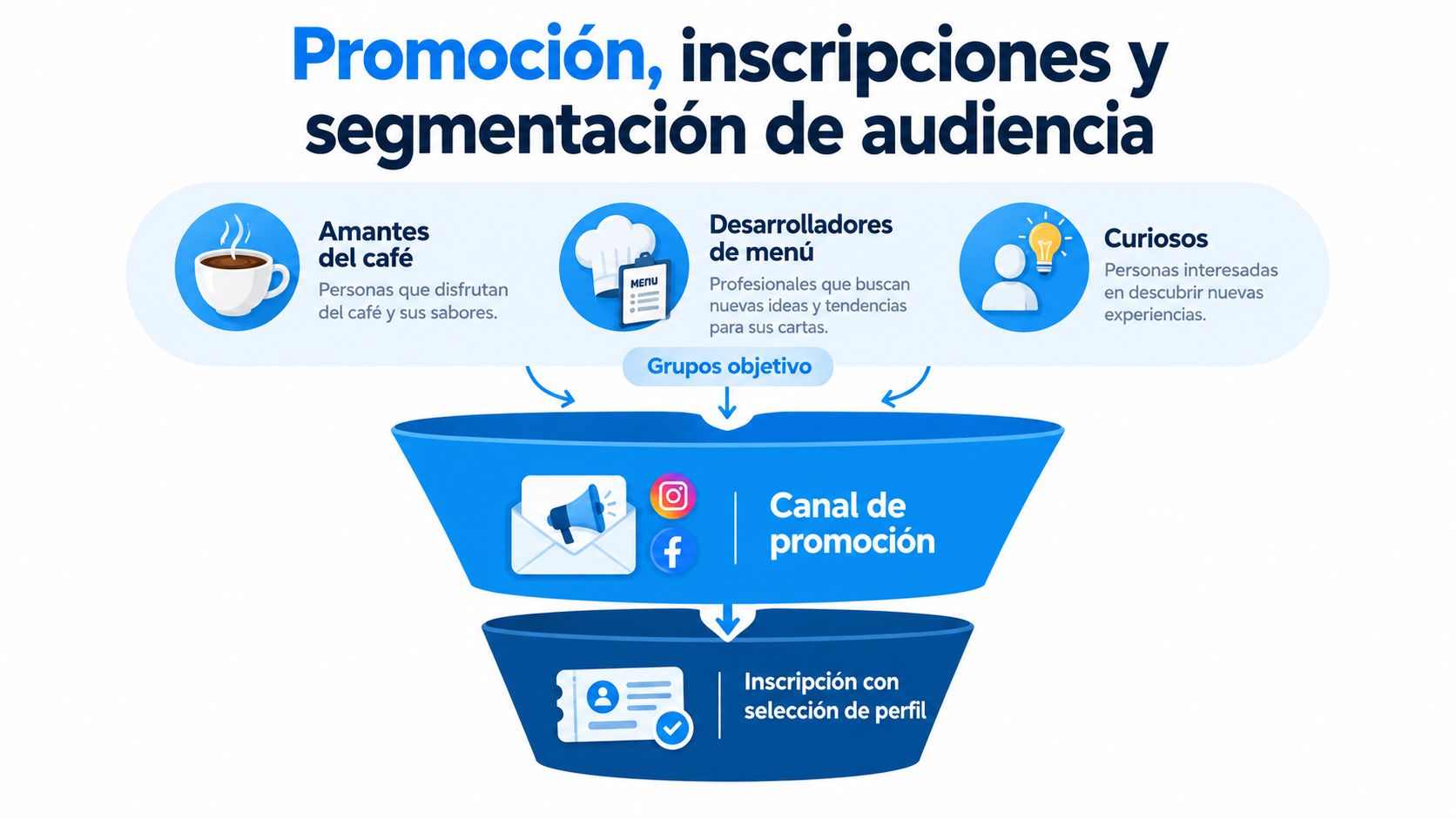
Promotion must attract people with a specific motivation. A coffee lover wants to discover profiles. A menu developer needs to decide what to serve in a restaurant. A curious person wants to learn to distinguish between instant, roasted, and ground coffee. The message can be common, but the invitation and follow-up must change according to the profile.
Building a funnel with intention
The initial post must answer three questions: what will be tasted, who the session is designed for, and what the attendee will take away. A coffee shop can publish a comparison of origins. A restaurant can talk about selection for after-dinner drinks. A barbershop can communicate an experience reserved for clients looking for a different kind of break.
The registration form should not ask for unnecessary information. It is useful to record:
Type of attendee: consumer, food professional, barbershop client, or salon client.
Declared preference: intense coffee, clean beverage, milk options, or general curiosity.
Frequency of visit: occasional, recurring, or first visit.
Subsequent interest: buying coffee, booking another experience, improving the menu, or receiving recommendations.
The customer segmentation helps convert those responses into actionable groups. The business does not need to send the same message to everyone. A restaurant can receive a commercial request, while a person who enjoys coffee at home can receive a brewing recommendation.
Filling spots with the right attendees
Social media works best when showing a question or comparison, not just a photograph of cups. A collaboration with local creators can be useful if the content explains the experience and is not limited to announcing a date. Email and direct messaging allow reclaiming people who already bought, booked, or interacted with the business.
Registration must confirm expectations. The confirmation message can indicate that no experience is required, that samples will be tasted in a specific sequence, and that there will be a personalized final recommendation. It must also include a clear policy for cancellations and spot changes.
The goal is not to get an extensive list of interested parties. It is to gather a group willing to participate, converse, and consider a purchase. That quality improves the host's experience and ensures the CRM receives more useful data for follow-up.
Post-event follow-up with CRM and automation
The event ends when the cups are cleared, but the commercial opportunity is just beginning. The team must record which samples were of interest, which product each attendee requested, and what action they agreed to take. A person who asked about espresso coffee requires different communication from someone who looked for an option to drink with milk.
Converting observations into segments
The CRM can organize attendees by behavior, not just by demographic data. Some practical categories are:
Product interest: coffee beans, ground coffee, prepared drinks, or private experience.
Sensory preference: heavier body, noticeable acidity, sweetness, or familiar profile.
Commercial intent: immediate purchase, future visit, business proposal, or personal learning.
Relationship level: frequent customer, occasional customer, or new contact.
With those segments, the team can trigger campaigns via WhatsApp, email, or push notifications. The subsequent message must recall a specific preference and offer a simple next action. It could be a smart coupon for the favorite sample, points for a purchase, a configurable reward, or an invitation to book an individual session.
Measuring real profitability
Automation does not replace the host's judgment. It amplifies it by preventing the team from forgetting contacts, mixing profiles, or sending irrelevant promotions. A marketing automation system allows organizing subsequent messages and maintaining a cadence without relying on manual reminders.
Swirvle can centralize customers, consumption habits, and campaigns for physical businesses, with CRM, loyalty program, WhatsApp communication, push notifications, and email, plus dashboards to review attribution and return. For a coffee shop, restaurant, barbershop, or salon, the tasting must be linked to the customer file and subsequent purchases, so the team can know which invitations generate repeat business.
The most useful metric is not how many people enjoyed the session. It is what happened next: purchases, visits, bookings, recommendations, and new experiences. If the business records every step, the tasting stops being an isolated event and becomes a measurable piece within the loyalty program.
To organize a private tasting that connects sensory experience with recurring sales, Swirvle offers CRM, loyalty, segmentation, and automations for physical businesses. Visit Swirvle to convert your attendees' data into personalized campaigns, rewards, and measurable commercial decisions.
Related Blogs

Oct 6, 2026
Which campaigns work to fill a restaurant during the week?

Oct 5, 2026
Does Excel work as a CRM for a small business, or is it better to use a software?

Oct 4, 2026
How to organize my client information if I have a small business? Guide

Oct 3, 2026
What message should I send on WhatsApp to win back a customer who is no longer returning?

Oct 2, 2026
Grocery Store Software: 2026 Comparative Guide

Oct 1, 2026
Omnichannel CRM for Physical Businesses in 2026
Try Swirvle for free
No card required · 30 days free
Start your free trial